Online Foreclosure Auctions and Technical Failures: What Every Bidder Must Prepare For
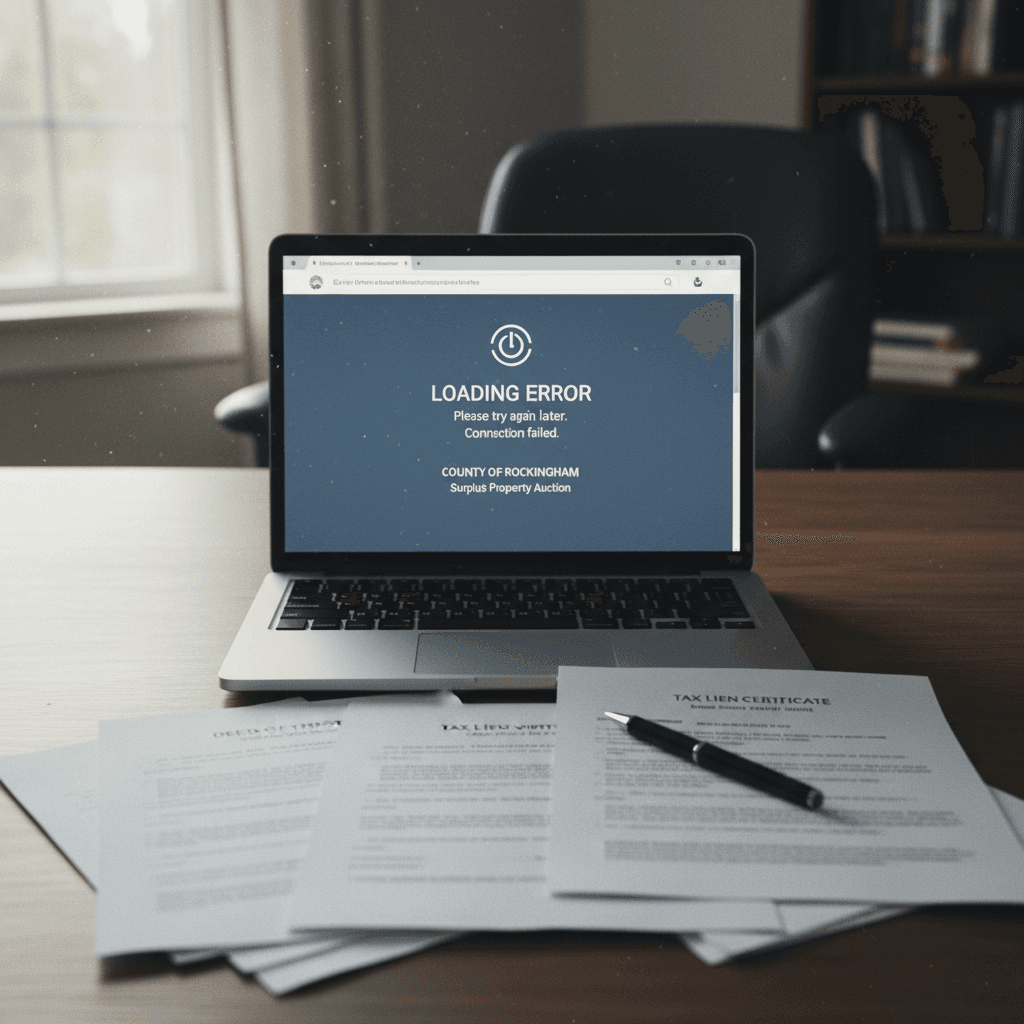
Counties across the country are moving their sheriff's sales and tax foreclosure auctions online — and with that shift comes an entirely new category of risk that has nothing to do with title defects or surviving liens. When a platform goes down mid-auction, bids can be lost, timelines can shift, and unprepared investors can miss properties they spent weeks researching. Understanding how online auction failures happen — and what they mean for your bidding strategy — is just as important as any title search.
Why Counties Are Moving Foreclosure Auctions Online
The push to digitize sheriff sales and tax foreclosure auctions accelerated sharply after 2020, when in-person gatherings became impractical for many local governments. The efficiency argument is compelling: online auctions expand the buyer pool beyond local investors, can generate higher competitive bids, and reduce the administrative cost of managing a live courtroom event. Counties also benefit from built-in timestamping, digital payment processing, and automated records that are easier to audit than handwritten bid sheets.
However, the transition from a live courthouse auction to a web-based platform introduces friction that bidders need to anticipate. The auction infrastructure is typically managed by a third-party vendor contracted by the county. That vendor relationship — and the support protocols it includes — directly affects what happens when something goes wrong on auction day.
- Third-party vendor platforms now run auctions in dozens of counties nationwide
- Online auctions are often administered by the sheriff's office or county treasurer
- Platform performance can vary significantly by vendor and county IT resources
What Actually Happens When a Platform Fails During a Live Sale
A technical glitch during a live online foreclosure auction is not merely an inconvenience — it can have real legal and financial consequences. If the platform crashes before bidding closes on a parcel, the county must decide whether to postpone the sale, re-open bidding, or void that particular auction and reschedule. Each of those outcomes creates uncertainty for every registered bidder who prepared a strategy around a specific sale date.
The postponement scenario is especially problematic for investors who have already completed due diligence, arranged financing, or committed deposit funds. In many jurisdictions, a required deposit is submitted before bidding opens. If the auction is rescheduled, you may need to verify whether your deposit is held, refunded, or automatically applied to the new date — and the answer varies by county and platform. A glitch can also trigger extended redemption windows or additional noticing requirements, depending on state law.
Perhaps most frustratingly, a failed auction can reset the competitive landscape. Other bidders who were not prepared the first time will now have more time to research the same properties. The informational edge you built through early due diligence may narrow significantly between an original auction date and a rescheduled one.
- Deposits may or may not carry over to a rescheduled auction — confirm with the county
- Postponed sales can trigger additional notice requirements under state statute
- Your competitive research advantage shrinks the longer the delay stretches
Pre-Auction Technical Preparation: The Checklist Most Investors Skip
Most investors doing due diligence on an online foreclosure auction focus almost entirely on the property — title history, lien research, condition, ARV. Very few spend time stress-testing their own technical setup before auction day. That gap is where prepared bidders separate themselves from frustrated ones.
Register on the auction platform well in advance of the sale, not the morning it opens. Many county platforms require identity verification, a registered deposit, or approval from the sheriff's office before you can place any bid. These steps can take days. If the platform itself is experiencing instability, attempting registration during peak load the day of the auction is a recipe for being locked out entirely.
Test your login credentials, your browser compatibility, and your internet connection ahead of the sale. Some county auction platforms have specific browser requirements or run poorly on mobile devices. Have a secondary internet connection available — a mobile hotspot, for example — in case your primary connection drops at a critical moment. Know the county's direct phone number for auction support, because platform help desks are often overwhelmed on sale days.
- Register and verify your account at least several days before auction day
- Confirm deposit submission requirements and deadlines in writing
- Test browser compatibility and have a backup internet connection ready
- Save the county clerk or sheriff's auction contact number before the sale opens
How Platform Failures Intersect With Legal Risk
A technical failure does not pause the legal clock on many of the risks that matter most to foreclosure auction investors. If you are researching a property that has a potential IRS lien, for example, the federal government's redemption window is tied to the date of sale, not the date you successfully complete a bid. A delayed or rescheduled auction changes that clock, which can affect your timeline for calculating redemption exposure on properties where the federal government is a lienholder.
Similarly, properties in jurisdictions that allow post-sale redemption by the owner have redemption periods that run from the date the deed is issued, not the original auction date. When a sale is postponed, the entire downstream timeline shifts. If you are coordinating financing, contractor access, or a planned resale around a specific closing window, that shift can create real carrying cost implications.
The legal status of bids that were submitted before a crash is another area of ambiguity. Were your bids recorded? Were they void? Did the highest bid on record stand, or does the entire sale restart? These questions are governed by the county's auction rules and the platform's terms of service — documents most bidders never read before disaster strikes. Read them before you register, not after something goes wrong.
- IRS redemption periods run from the sale date — a postponement changes that calculation
- Owner redemption windows are also tied to deed issuance, not your bid date
- Review the platform's terms of service for rules governing failed or voided auctions
Evaluate the Risk Before You Bid — Including Platform Risk
The lesson from any auction technology failure is the same one that applies to every other dimension of foreclosure investing: your profit or loss is determined before the gavel falls, not after. Due diligence on an online auction now requires two parallel tracks — the property itself, and the process through which you will acquire it.
On the property side, the fundamental risks remain unchanged regardless of whether you are bidding online or in a courthouse. Liens that survive the deed, environmental issues, condition problems, IRS redemption exposure, and title defects don't care what platform the county uses. These are the risks that can turn a winning bid into a money-losing asset, and they must be evaluated before you commit a single dollar.
On the process side, the platform, the county's track record with online auctions, and the contingency protocols for technical failures are all now part of your pre-bid checklist. Counties running their first or second online sale are at higher risk of a disruption than jurisdictions with years of digital auction history. That context matters when you are deciding whether to pursue a property aggressively or hold some capacity in reserve for a potential reschedule.
Tools that centralize property risk information — flagging surviving liens, IRS exposure, flood zone status, and other deal-killers — help investors move faster and more confidently when auction timelines shift unexpectedly. When a rescheduled auction compresses your remaining research window, having a structured risk profile already assembled for a property is a meaningful advantage.
- Treat platform stability and county auction experience as part of your due diligence
- Research surviving liens, IRS exposure, and title issues before the first auction date
- Build a risk profile early so a postponement doesn't eliminate your preparation edge
It's the 3% that bankrupts beginners
95% of tax liens get paid. TaxDeedIQ finds the risky ones, the junk land, the surviving IRS lien, before you bid.
Try it free for 7 daysOnline Foreclosure Auctions and Technical Failures FAQ
If a county postpones an online foreclosure auction due to a technical glitch, do I have to resubmit my deposit?
It depends on the county and the platform's terms of service. Some platforms hold deposits automatically and apply them to the rescheduled sale. Others refund deposits and require resubmission. Always confirm in writing with the county clerk or sheriff's office as soon as a postponement is announced, because deposit rules vary significantly and deadlines can be tight.
Does a postponed online auction affect the IRS's 120-day redemption period?
The IRS redemption window generally begins running from the date of the actual sale, so a postponement shifts that clock to the new sale date. If you are evaluating a property where the federal government holds a lien, you need to recalculate your redemption exposure based on the confirmed auction date, not the original one. Verify the mechanics with a tax attorney before bidding on any property with IRS lien exposure.
How can I find out if a county has had previous technical problems with its online auction platform?
Start by reviewing the county's auction history on its official website or the sheriff's office page. Local news coverage, investor forums, and state bar real estate practice resources sometimes document past auction disruptions. You can also call the county directly and ask how many online auctions they have conducted and whether any have been postponed or voided due to technical issues. A county running its first digital sale carries higher platform risk than one with an established track record.
Are my bids legally binding if the platform crashes before the auction closes?
The answer depends on the county's specific auction rules and the platform's terms of service. In most cases, a voided or postponed sale means no bids are legally binding and the auction starts fresh. However, some platforms record bids in real time and may treat the highest recorded bid as valid if the crash occurs during the closing phase. Read the platform terms before you register, and follow up with the county in writing if there is any ambiguity about your bid's status after an outage.
More guides
- Tax Deed vs Tax Lien: What's the Difference? (2026 Guide)
- Is Tax Deed Investing Safe? 6 Risks to Check Before You Bid
- Tax Deed Surplus Funds: How Overbid Recovery Works
- Redeemable Deed States Explained (Georgia, Texas & More)
- Property Condition Risk at Tax Deed Auctions: Inspections, Hidden Defects, and What You Can't See Before You Bid
- Partial Interest and Undivided Ownership at Tax Deed Auctions: The Hidden Risk That Can Lock Up Your Investment
Informational only, not legal or investment advice. Confirm rules with the county and consult a licensed professional before bidding.