Photography Studios and Creative Spaces at Tax Deed Auctions: Equipment Liens, Lease Risks, and What Every Investor Must Evaluate Before Bidding
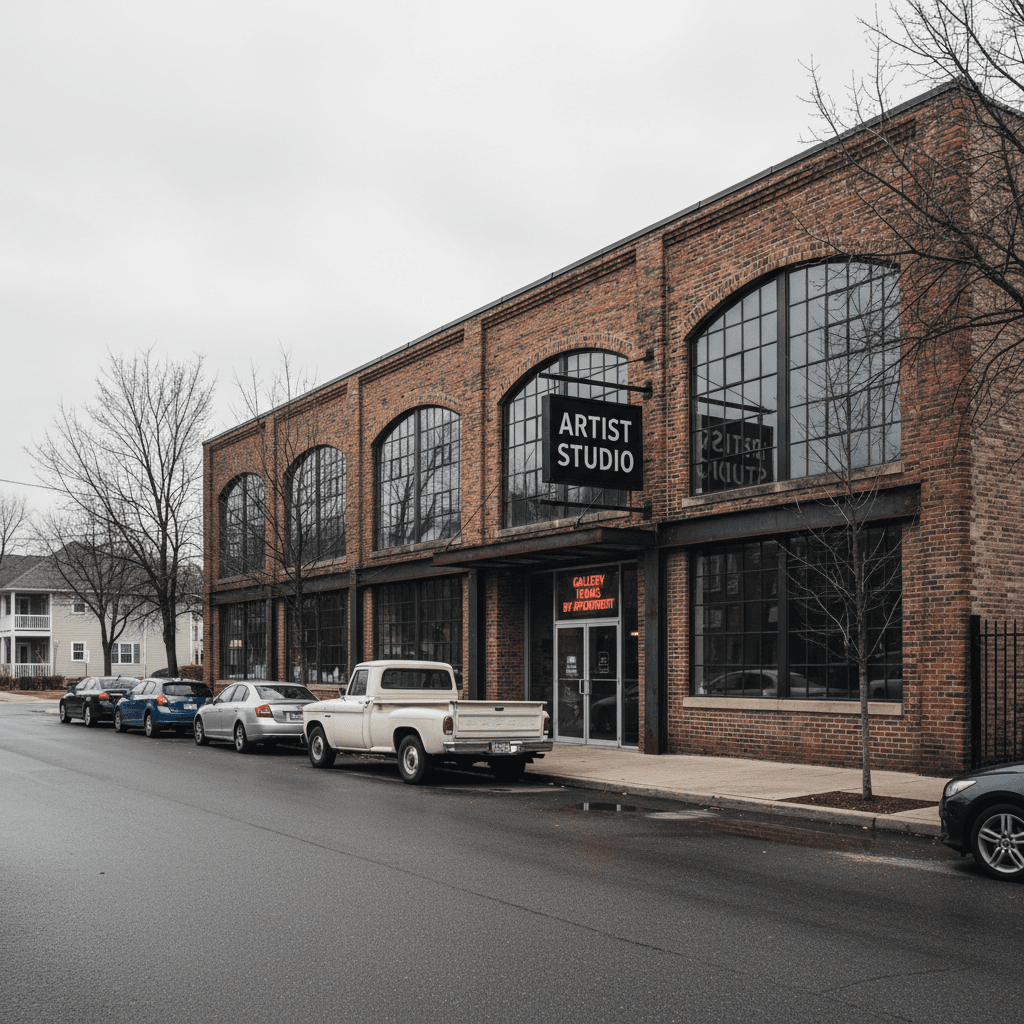
Photography studios, artist lofts, film production spaces, and maker studios look like attractive commercial deals when they surface at tax deed auctions — low assessed values, flexible floor plans, and rising demand from creative tenants. But beneath the exposed brick and skylights lurk equipment financing agreements, build-out lease obligations, zoning gray zones, and environmental issues that can turn a bargain bid into a financial sinkhole. Evaluate every risk layer before you raise your paddle.
Why Creative Commercial Properties End Up at Tax Deed Auctions
Photography studios, recording suites, artist co-ops, and similar creative-use properties often operate on thin margins. The business model is cyclical — a commercial photographer loses a corporate retainer, a music studio's anchor client signs elsewhere, and suddenly rent and property taxes stop being paid in that order. When a property owner also operates the business from the same parcel, the collapse of the enterprise and the collapse of tax payments happen simultaneously, which is why these properties surface at auction with more encumbrances layered onto them than a typical office building.
Understanding the business failure behind the delinquency matters for due diligence. It signals that equipment vendors, build-out contractors, and commercial landlords (in leasehold situations) may all have unsatisfied claims that could follow the property or complicate your ownership. The delinquency is not the risk — it is the symptom that points you toward the actual risks hiding in the title chain and the physical structure.
- Thin operating margins make tax payments a low priority when cash flow drops
- Business and property insolvency often happen simultaneously, layering multiple creditor claims
- Equipment-intensive operations attract financing liens that can survive or cloud the deed
- Properties may carry back taxes across multiple years, compounding lien exposure
Equipment Financing Liens: The Invisible Debt on the Floor Plan
A working photography studio is not just four walls — it is a grid of lighting rigs, cyclorama walls, motorized backdrops, HVAC-balanced darkrooms or digital processing stations, and high-amperage electrical infrastructure built specifically to support that equipment. Many of these assets are financed through UCC-1 financing statements, equipment leases, or chattel mortgages that are recorded with the secretary of state rather than the county recorder.
The critical question every investor must answer before bidding is whether that equipment is legally a fixture — permanently attached to and therefore part of the real property — or chattel that the secured lender can repossess independently of the real estate. Courts apply multi-factor tests that look at the method of attachment, the intent of the parties, and the character of the property. A floating cyc wall bolted to structural steel on custom rails may be treated as a fixture in one jurisdiction and removable chattel in another. If a lender's UCC financing statement covers equipment that a court later deems a fixture, that lender may assert a claim against the real property that was not extinguished by the tax deed sale. Even if the equipment is clearly chattel, arriving at your newly purchased studio to find lenders removing lighting infrastructure from the walls is a costly and disruptive outcome.
Always run a UCC lien search at both the secretary of state and county levels as part of your pre-auction due diligence. Cross-reference the results against the physical improvements visible in any available listing photos or prior permits.
- Run UCC-1 searches at the state secretary of state and county clerk before bidding
- Determine fixture vs. chattel status for all major installed equipment
- Lighting rigs, motorized backdrops, and custom electrical panels are frequent financing targets
- Equipment removal post-closing can devalue the property and create physical damage
Commercial Lease Survival and Tenant Protections
Creative spaces frequently operate under complex tenancy arrangements. A studio owner may lease to individual photographers on monthly licenses, rent out sound-treated rooms to podcasters, or host a co-op of artists under a master lease with individual sublease agreements underneath. When you acquire the property through a tax deed, the question of which of these arrangements survive and bind you is state-specific and fact-specific.
Under the federal Protecting Tenants at Foreclosure Act, bona fide tenants generally have the right to remain through the end of their lease term following a foreclosure-based sale, with certain notice requirements applying. However, the application of PTFA to tax deed sales — which are not always characterized as foreclosures in the traditional sense — varies by state. Some states have their own tenant protection statutes that layer on top of or diverge from federal protections. Month-to-month licensees in a co-working studio arrangement occupy a different legal footing than a tenant with a signed multi-year lease, but working through that distinction after you have already bid is expensive.
Additionally, creative tenants who have made significant leasehold improvements — custom sound dampening, electrical upgrades, ventilation systems — may assert improvement liens or claims for unjust enrichment if they are displaced. Consult a licensed real estate attorney in the subject property's state before the auction to map out which tenancy arrangements are likely to bind a tax deed purchaser.
- Review all recorded and unrecorded leases during the due diligence window
- Assess PTFA applicability and state-law tenant protections for each occupant type
- Month-to-month licensees vs. long-term lessees carry different post-closing obligations
- Leasehold improvement claims can complicate eviction and add post-closing costs
Zoning, Use Permits, and the Creative-Use Gray Zone
Photography studios and maker spaces routinely occupy buildings with ambiguous or outdated zoning designations. A converted warehouse zoned light industrial may have been operating as a photography studio under a conditional use permit that expires when the original owner vacates. An artist loft in a commercial zone may have live-work approvals tied to a specific occupant or project. These use entitlements do not automatically transfer with the deed.
When you acquire the property, the prior use permit belongs to the prior operator, not to the parcel. If the county or municipality did not formally attach the entitlement to the land, you will need to re-apply — a process that can take months, face public opposition, or be denied entirely if zoning has changed. Before bidding, pull the current zoning designation, any recorded conditional use permits, and the municipality's zoning map to verify that your intended use — whether continuing as a creative space or converting to another use — is permitted as of right.
Code compliance is a parallel concern. Creative spaces are frequently built out incrementally with unpermitted modifications: custom electrical panels installed by tenants, partition walls erected without permits, ventilation retrofits for darkrooms or spray booths. Code violations attach to the property, not the prior owner, and a tax deed does not insulate the new owner from municipal enforcement actions.
- Verify that conditional use permits are attached to the land, not just the prior operator
- Pull the current zoning designation and confirm your intended use is permitted as of right
- Inspect for unpermitted tenant build-outs, electrical modifications, and ventilation work
- Request a code violation search from the municipality before bidding
Environmental and Hazardous Material Considerations
While photography studios do not carry the same environmental profile as dry cleaners or gas stations, they are not without hazard. Traditional film-based darkrooms used chemical fixers and developers — primarily acetic acid, sodium thiosulfate, and in some processes, compounds containing silver — that required specific disposal protocols. If a prior operator ran a high-volume commercial film lab and disposed of chemistry improperly, there may be soil or drain-field contamination that pre-dates the digital era but still creates current liability.
Spray-paint booths in artist studios or fabrication spaces carry a different concern: volatile organic compounds, flammable material storage, and potentially improper exhaust systems that created long-term indoor air quality issues or contaminated the structure. HVAC systems that serviced these areas may require remediation before re-occupancy.
A Phase I Environmental Site Assessment is the standard first step for any commercially zoned property. If the Phase I identifies recognized environmental conditions, a Phase II with soil and groundwater sampling may be necessary before you can determine the full scope of liability you are absorbing. Environmental liens, if recorded, may survive the tax deed in some jurisdictions — confirm the lien search covers environmental agency filings at both the state and federal level.
- Commission a Phase I ESA before bidding on any former darkroom or fabrication-use property
- Check for environmental liens filed by state agencies or EPA that may survive the tax deed
- Spray booths and chemical darkrooms are the highest-risk functional areas to investigate
- HVAC systems servicing chemical use areas may require remediation or replacement
How to Evaluate the Full Risk Stack Before You Bid
Creative-use commercial properties reward disciplined pre-auction due diligence precisely because most competing bidders do not conduct it. The investor who arrives at the auction having already pulled the UCC lien history, confirmed zoning entitlements, reviewed available lease agreements, ordered a code violation report, and walked the property (where permitted) has a defensible bid ceiling. Everyone else is guessing.
A platform that layers risk signals — surviving liens, IRS redemption windows, flood zone designations, homestead status, and property-specific flags — directly onto the auction listing compresses the time it takes to identify which properties warrant deep-dive research and which carry deal-breaking encumbrances before you invest a single hour of attorney time. That triage function is exactly what TaxDeedIQ's Safety Score is designed to perform: surface the risk profile of a property at a glance so you allocate your due diligence budget where it matters.
Even with strong pre-auction research, always verify critical findings with the county assessor, the municipal code enforcement office, and a licensed real estate attorney in the subject state. Tax deed investing at the commercial level — particularly in specialty-use properties — is not a solo sport. The professionals you engage before the auction are far less expensive than the ones you will need after a problematic closing.
- Establish a defensible maximum bid based on verified risk findings, not auction-day optimism
- Use risk-scoring tools to triage which properties merit attorney-level due diligence
- Verify zoning, liens, and code violations directly with county and municipal offices
- Engage a licensed real estate attorney in the subject state before bidding on specialty commercial
It's the 3% that bankrupts beginners
95% of tax liens get paid. TaxDeedIQ finds the risky ones, the junk land, the surviving IRS lien, before you bid.
Try it free for 7 daysPhotography Studios and Creative Spaces at Tax Deed Auctions FAQ
Do equipment financing liens on studio gear survive a tax deed sale?
It depends on whether the equipment is legally classified as a fixture or chattel. If a court would deem the equipment a fixture — because it is permanently attached and integral to the structure — a UCC-secured creditor may assert a claim that clouds your title. If the equipment is chattel, the lender cannot pursue the real estate but can repossess the equipment itself. Run a thorough UCC search at the secretary of state and county levels before bidding, and have a local real estate attorney assess fixture vs. chattel status for any major installed systems.
Can a photography studio's conditional use permit be transferred to a new owner after a tax deed sale?
Use permits are typically tied to the applicant and the described use, not automatically to the parcel. After a tax deed purchase, you may need to re-apply for a conditional use permit to continue operating the property as a studio or creative space. Zoning regulations may have changed since the original permit was issued, and re-approval is not guaranteed. Confirm the status of any existing permits with the local planning or zoning department before bidding.
Are former film darkrooms considered environmental hazards in a Phase I ESA?
A Phase I Environmental Site Assessment conducted by a qualified environmental professional will flag a former commercial darkroom as a recognized environmental condition if there is evidence of chemical use and inadequate disposal practices. Silver, acetic acid, and other developer chemistry can contaminate drains, soil, and even building materials if mismanaged over time. If the Phase I identifies concerns, a Phase II assessment with physical sampling may be needed to quantify the liability before you can establish a defensible bid price.
Do tenant leases in a co-working studio survive a tax deed sale?
Potentially yes, depending on your state's application of the federal Protecting Tenants at Foreclosure Act and any state-specific tenant protection statutes. Bona fide tenants with written leases generally have stronger protections than month-to-month licensees, but the legal analysis is state-specific and fact-specific. Review all occupancy agreements during the pre-auction due diligence window and consult a licensed real estate attorney before bidding on any occupied creative-use property.
What is the biggest overlooked risk when bidding on a photography studio at a tax deed auction?
The combination of UCC equipment liens and expired or non-transferable conditional use permits tends to be the most frequently overlooked risk layer. Most bidders check county tax records and stop there. The UCC lien search, the zoning entitlement verification, and the code violation report are what separate a disciplined investor from one who buys a problem they cannot immediately see. Conduct all three before the auction, not after.
More guides
- Tax Deed vs Tax Lien: What's the Difference? (2026 Guide)
- Is Tax Deed Investing Safe? 6 Risks to Check Before You Bid
- Tax Deed Surplus Funds: How Overbid Recovery Works
- Redeemable Deed States Explained (Georgia, Texas & More)
- Tattoo Parlors and Body Art Studios at Tax Deed Auctions: Health Code Liability, Equipment Liens, and the Risks Every Investor Must Evaluate Before Bidding
- Vehicle Auction Lots and Used Car Dealerships at Tax Deed Auctions: Floor Plan Liens, Franchise Termination, and the Risks Every Investor Must Evaluate Before Bidding
Informational only, not legal or investment advice. Confirm rules with the county and consult a licensed professional before bidding.