Data Centers and Telecom Facilities at Tax Deed Auctions: Equipment Liens, Fiber Easements, and the Risks Every Investor Must Evaluate Before Bidding
Data centers and telecom switching facilities look like attractive tax deed plays on paper — real estate with infrastructure already in place. But behind those concrete walls sit millions of dollars in third-party-owned equipment, perpetual fiber easements that run with the land, and federal licensing obligations that transfer to no one automatically. Evaluate every layer of risk before your paddle goes up.
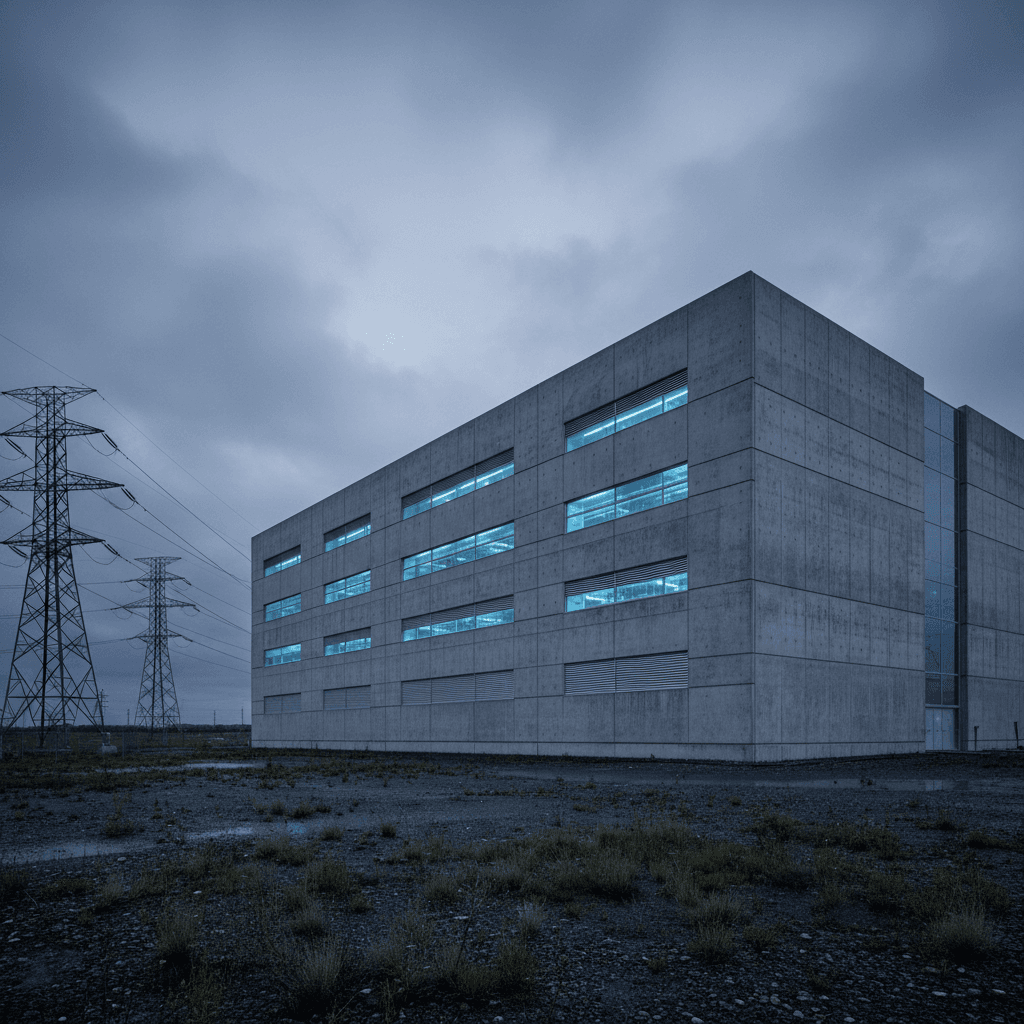
Why Data Centers and Telecom Properties End Up at Tax Deed Auctions
Telecommunications infrastructure is capital-intensive and cash-flow volatile. A carrier-neutral colocation facility or a regional internet exchange point may carry enormous debt loads relative to the real property value alone. When the operating company collapses, the land and building can fall into tax delinquency while the equipment inside — servers, cooling units, backup generators, uninterruptible power supplies, cross-connect panels — remains titled to vendors, lessors, or secured creditors who have nothing to do with the delinquent taxpayer.
Smaller telecom properties, including cell tower ground leases, fiber-optic relay stations, and legacy copper switching facilities, face the same dynamic. The property owner may be a holding company or a special-purpose entity that stopped paying taxes after a parent company restructure. When a county ultimately sells the parcel at a tax deed auction, the buyer steps into a situation far more complicated than a typical residential or even standard commercial acquisition.
- Colocation data centers with multi-tenant equipment
- Carrier hotel buildings and internet exchange nodes
- Fiber relay huts and amplifier stations
- Legacy copper central office buildings
- Cell tower ground leases with separate improvements
- Microwave relay towers on owned parcels
Equipment Liens: The Most Immediate Financial Trap
The single most overlooked hazard at a data center or telecom facility tax deed sale is the equipment lien. Unlike a mortgage or judgment lien recorded against real property, equipment financing is perfected under Article 9 of the Uniform Commercial Code (UCC) through filings with the secretary of state — not the county recorder. A standard title search focused on the parcel will not surface these encumbrances.
When you acquire the real property, you acquire the building and land. You do not automatically acquire the equipment inside, and you do not automatically extinguish the security interests the equipment lenders hold against those assets. If a lender holds a valid UCC-1 financing statement on a cooling system, a diesel generator bank, or a fiber distribution frame, that lender can repossess the equipment after the tax deed sale. You could own a data center shell with no functional infrastructure.
Before bidding, run a UCC lien search through the secretary of state in the state where the debtor entity is organized, not just the state where the property sits. For national carriers, also check the Delaware and Wyoming secretary of state databases, where many special-purpose entities are incorporated. Understand what equipment is actually owned free and clear by the delinquent taxpayer versus what is leased or financed.
- Run UCC-1 financing statement searches on the debtor entity by name
- Search the state of entity organization, not only the property state
- Look for blanket security agreements covering all assets of the debtor
- Identify HVAC, generators, and power distribution units as frequent collateral items
- Check for equipment leases — operating leases do not give the lessee ownership to transfer
Fiber Easements and Perpetual Right-of-Way Agreements
Telecom infrastructure often depends on below-grade or aerial fiber runs that cross many parcels before reaching a facility. The property you are bidding on may itself be burdened by easements granted to carriers, municipalities, or utility companies that allow permanent access for conduit maintenance, fiber splicing, or equipment inspection.
These easements typically run with the land, meaning they survive a tax deed sale. As the new owner, you inherit the obligation to allow access under the easement terms. More significantly, if the prior owner granted an exclusive easement or a right-of-first-refusal for additional conduit installations, those agreements may bind you as successor in interest, depending on how they were recorded and how courts in that state treat the issue.
The reverse situation also presents risk: if the facility you are buying depends on a fiber easement across a neighboring parcel to reach its upstream connectivity, verify that easement is documented in a recorded instrument, not just an informal agreement with the prior operator. An informal license is revocable. If the neighbor revokes access after your purchase, you own a disconnected facility.
- Review all recorded easements in the chain of title
- Search for unrecorded license agreements in the operating company's public filings or bankruptcy records
- Confirm ingress and egress easements for maintenance vehicles
- Identify any telecommunications easements that restrict your development or redevelopment rights
- Check whether any carrier has a right to continue operating equipment inside the building under a lease or license that survives foreclosure
Federal and State Licensing Obligations That Do Not Transfer
Telecom facilities operate under a web of federal and state authorizations that are non-transferable in most cases. FCC licenses for spectrum use, point-to-point microwave links, or earth station operations are granted to named licensees and require prior FCC approval before assignment. If you acquire the physical tower or dish array through a tax deed, you do not acquire the license. Operating licensed equipment without proper authorization exposes you to enforcement liability — not the former licensee.
State public utility commission authorizations, competitive local exchange carrier (CLEC) certifications, and interconnection agreements with incumbent carriers are similarly tied to the licensed entity. The tax deed conveys the real estate; it does not novate any of the regulatory relationships the prior operator held. If your business plan requires continuing telecom operations at the facility, build in lead time and professional guidance to pursue the appropriate license applications or assignments.
For data centers specifically, consider whether the facility holds any government contracts or FedRAMP authorizations that require the operator to meet specific security standards. These contractual obligations follow the operating company, not the land, but they affect the realistic pool of buyers or tenants you can attract after acquisition.
- FCC licenses for microwave, earth station, or broadcast use require FCC approval to assign
- CLEC certifications are state-specific and non-transferable by deed
- Interconnection agreements with ILECs require renegotiation with new ownership
- Government cloud contracts and security authorizations follow the operator entity
- Check for FAA obstruction permits tied to tower height — these are site-specific but operator-registered
Power Infrastructure, Environmental Risk, and Code Compliance
Data centers are among the highest energy consumers per square foot of any building type. The facility you are evaluating likely has a dedicated utility substation feed, high-amperage switchgear, and backup generation systems. Verify that utility service agreements are in the name of the property or can be transferred, rather than being tied to a creditworthy operator entity that no longer exists.
Diesel backup generators present a layered environmental risk. Large generator banks require air quality permits in most states, and those permits are tied to the facility operator. Underground diesel day-tanks or aboveground fuel storage introduces the same contamination liability framework that applies to any fuel storage property. A Phase I environmental site assessment is non-negotiable before bidding on a data center with on-site generation.
Building code compliance for data center infrastructure — raised floor loading, fire suppression systems (particularly FM-200 or halon legacy systems), and high-voltage electrical — may be significantly out of date if the facility has been dormant. Municipalities have cited vacant data centers for deferred maintenance on fire suppression, emergency lighting, and structural issues. Obtain what building inspection records are available from the county before the auction.
- Confirm utility interconnection agreements are transferable
- Obtain Phase I ESA if any on-site fuel storage is present
- Check air quality permits for backup generators
- Review fire suppression system compliance — legacy halon systems have phase-out obligations
- Assess raised floor and structural load ratings if re-tenanting is part of the plan
- Verify electrical panel and switchgear permits are closed and final
How to Build a Risk Score Before You Bid
No single data point tells the full story on a data center or telecom facility at tax deed auction. The prudent approach layers every available source of information before you set a maximum bid. Start with the county assessor and recorder to establish the ownership history, any recorded encumbrances, and the assessed value trajectory. Then expand outward to UCC searches, FCC license databases (the FCC's License Search tool is publicly available), state utility commission filings, and any bankruptcy court records if the prior operator was in Chapter 7 or Chapter 11.
Tools like TaxDeedIQ can help you aggregate the publicly available risk signals — surviving liens, IRS redemption windows, flood zone exposure, homestead status — and assign a Safety Score that lets you compare properties systematically before diving into deep due diligence. For specialized commercial properties like these, that first-pass scoring is especially valuable because it surfaces deals worth deeper investigation and flags those where the known public-record risks already exceed likely returns.
Always verify findings with the county directly and engage a licensed real estate attorney familiar with commercial transactions in that jurisdiction before closing on any tax deed acquisition. The complexity of telecom and data infrastructure makes independent professional review more important here than in almost any other property category.
- Pull UCC lien searches before auction day, not after
- Search the FCC Universal Licensing System for any licenses tied to the parcel address
- Review bankruptcy court PACER filings if the prior operator filed Chapter 11
- Request the county's building permit history and any open code enforcement actions
- Commission a Phase I environmental assessment for any facility with on-site fuel storage
- Use a systematic pre-bid scoring process to prioritize which properties justify full due diligence spend
Free: the 50-State Tax-Sale Rules
Redemption periods, lien vs. deed, interest rates, every state. Plus a 0–100 risk score on every auction.
Get started freeData Centers and Telecom Facilities at Tax Deed Auctions FAQ
Does a tax deed sale wipe out UCC equipment liens on a data center?
No. UCC Article 9 security interests are perfected against the debtor entity through secretary of state filings, not against the real property. A tax deed sale extinguishes liens that were recorded against the real property in the county land records, but it does not affect a creditor's security interest in personal property — including servers, generators, cooling systems, and other equipment inside the building. A secured creditor can still repossess that equipment after you acquire the real estate.
Can I operate a licensed telecom facility after acquiring it through a tax deed?
Not automatically. FCC licenses and state telecom certifications are granted to named entities and are not transferred by a deed. You would need to apply to the FCC for assignment of any applicable licenses or pursue new authorizations, which requires FCC approval and can take months. Operating licensed spectrum or microwave links without proper authorization exposes you to federal enforcement risk. Consult a communications attorney before assuming any licensed operations at the facility.
What is the biggest due diligence step investors skip on data center tax deeds?
The UCC lien search. Most investors run a standard title search through the county recorder, which reveals mortgages, judgment liens, and recorded easements. But the most significant financial trap at a data center is equipment financing perfected under UCC Article 9 at the state level. Without a comprehensive UCC search against the debtor entity — in the state of incorporation as well as the property state — you will not know whether the infrastructure inside the building is owned free and clear or subject to repossession by secured lenders.
Do fiber easements survive a tax deed sale?
Generally yes. Easements that are properly recorded in the county land records run with the land and survive a tax deed sale just as they would survive a standard foreclosure. As the new owner, you take title subject to those recorded easements. Unrecorded license agreements are more complicated — they may not bind you as a bona fide purchaser, but their enforceability depends on state law and whether you had actual or constructive notice. Always review the full chain of title for any telecommunications rights-of-way before bidding.
More guides
- Tax Deed vs Tax Lien: What's the Difference? (2026 Guide)
- Is Tax Deed Investing Safe? 6 Risks to Check Before You Bid
- Tax Deed Surplus Funds: How Overbid Recovery Works
- Redeemable Deed States Explained (Georgia, Texas & More)
- Tattoo Parlors and Body Art Studios at Tax Deed Auctions: Health Code Liability, Equipment Liens, and the Risks Every Investor Must Evaluate Before Bidding
- Vehicle Auction Lots and Used Car Dealerships at Tax Deed Auctions: Floor Plan Liens, Franchise Termination, and the Risks Every Investor Must Evaluate Before Bidding
Informational only, not legal or investment advice. Confirm rules with the county and consult a licensed professional before bidding.